Where is it stored?
Access, charging, ventilation and separation can influence usability more than catalogue features. A machine that cannot be reached easily or must be carried up stairs tends to be used less often than planned.
From cloth systems to floor machines, equipment decisions should follow surfaces, storage, training and maintenance realities.
Connect equipment to scope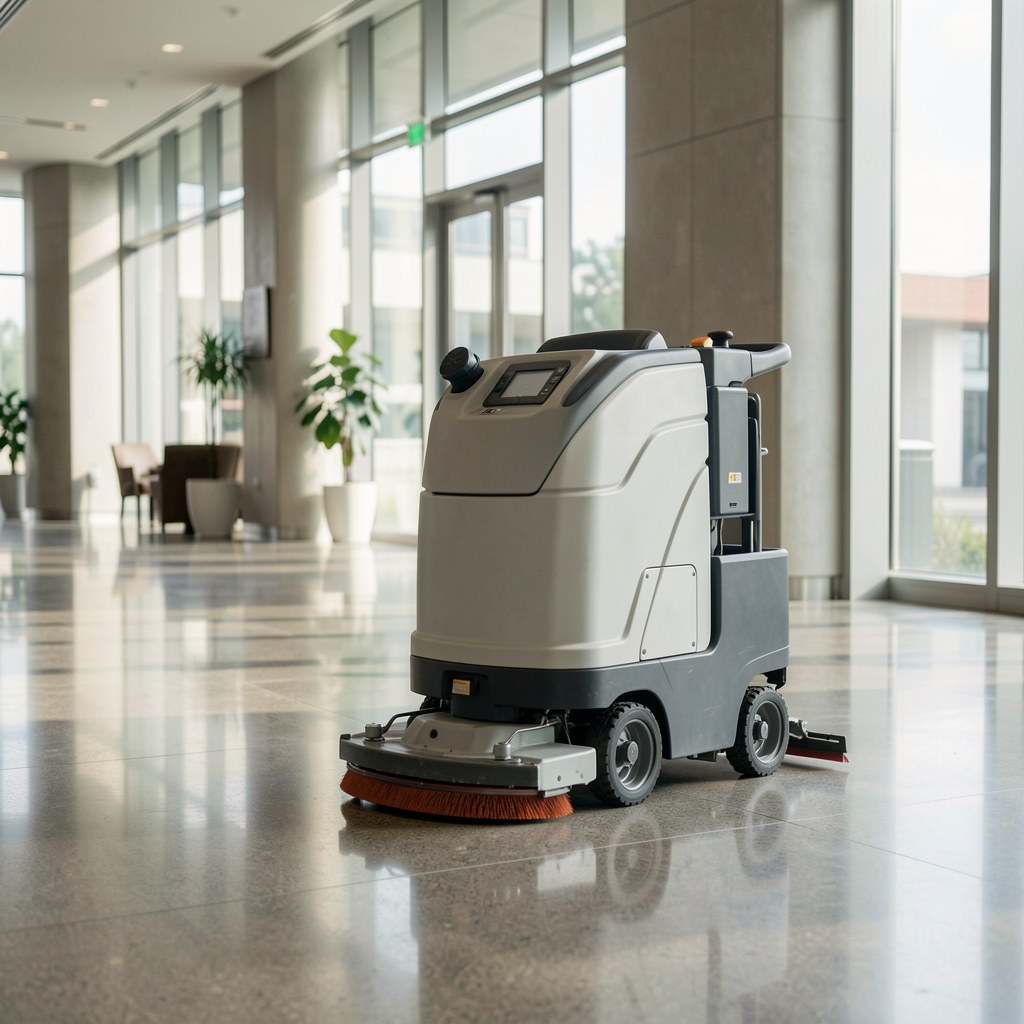
Equipment catalogues tend to emphasise specifications, yet day-to-day experience is shaped by less obvious matters: where a machine is kept overnight, who can operate it with confidence and how it is cleaned afterwards. The three questions below help a team look at those matters before a decision is made.
Access, charging, ventilation and separation can influence usability more than catalogue features. A machine that cannot be reached easily or must be carried up stairs tends to be used less often than planned.
Controls, training, ergonomics and safe handling should match the team and task. Consider shift patterns, language support for instructions and how new colleagues will learn the equipment.
Cleaning and inspection of equipment protect both the tool and the next surface. Decide who empties, rinses, dries and checks each item, and where that responsibility is written down.
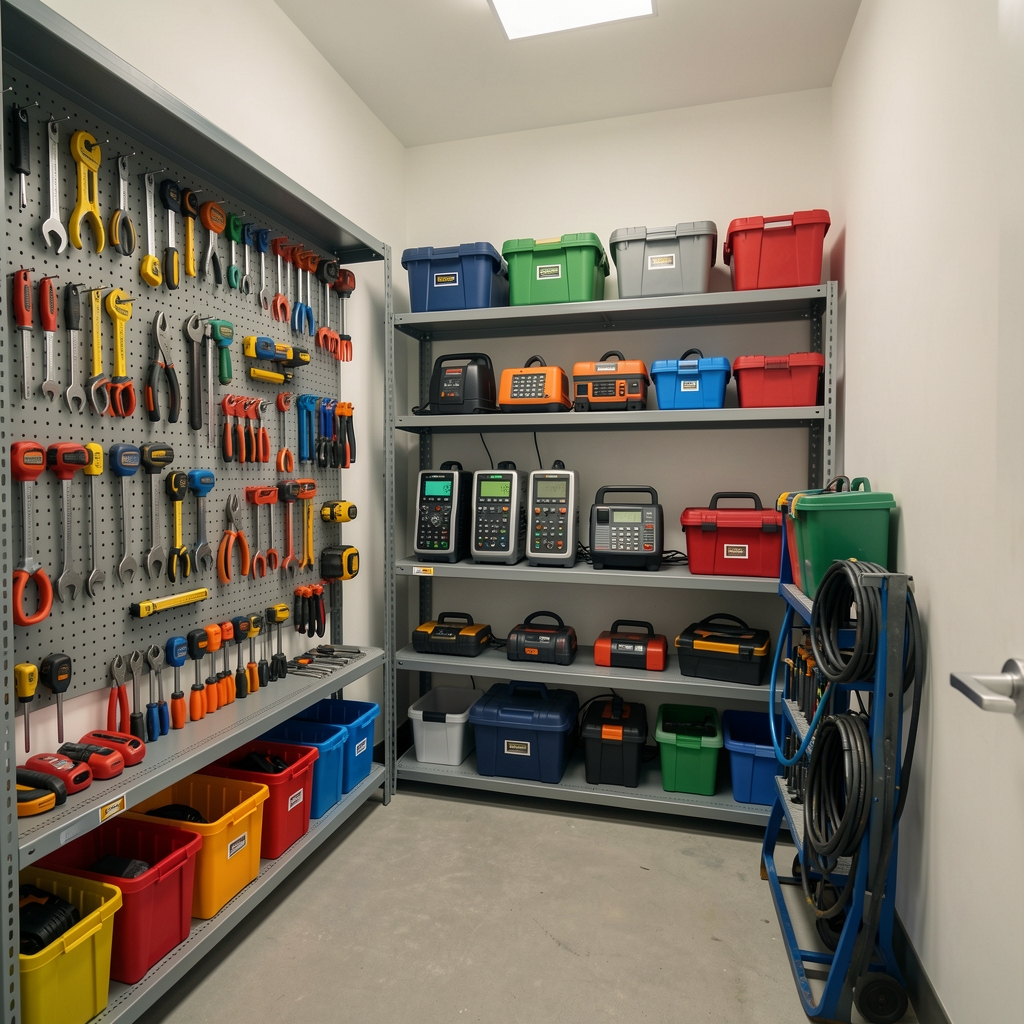
A clear colour or label system can reduce confusion, while sensible flexibility lets teams respond to room-specific needs. Document the reason for both consistency and exceptions.
Many sites use colour coding to keep cloths and mops associated with particular areas, for example washrooms, kitchens or general offices. The principle is simple: a tool that has been used in one type of space is not moved to another. Consistency matters less than the clarity of the rule and the ease with which a new colleague can learn it.
The overview below describes typical characteristics only. Specific models, manufacturer instructions and the surfaces in a given building should always take precedence over a general table.
| Category | Typical use | Points to consider | Routine care |
|---|---|---|---|
| Cloth and mop systems | Daily wiping and floor care in most room types | Fibre type, laundering arrangements, colour coding | Laundering or replacement on a defined cycle |
| Vacuum cleaners | Carpets, hard floors and upholstery | Filtration, noise, cable or battery management, weight | Emptying, filter checks, brush cleaning |
| Scrubber-dryers | Larger hard-floor areas such as halls and corridors | Aisle width, turning space, water handling, storage | Tank rinsing, squeegee inspection, battery charging |
| Carts and trolleys | Carrying tools and supplies between rooms | Lift access, door widths, load stability, labelling | Wiping down, wheel checks, restocking |
| Dosing systems | Measured dilution of concentrated products | Ease of use, labelling, training, compatibility | Flow checks and tidy storage of containers |
| Hand tools and applicators | Detail work on fixtures, glass and edges | Reach, grip, replaceable heads | Rinsing, drying and periodic replacement |
The figures summarise the structure of this guide. They describe how the content is organised and do not represent measurements from any building or manufacturer.
Choosing equipment can feel like a long list of options. Working through the following matrix, from the surface to the person to the routine, narrows the field without needing a technical specialist in the room.
Note the material, finish, size of the area and how often it is used. Mixed surfaces, such as stone beside carpet, may call for more than one tool. Check the building’s care instructions or the manufacturer’s advice for the flooring.
Think about who will operate the equipment, how long they will use it and whether physical strain or noise could affect their work. Ask them what they find difficult about the tools they already use.
Measure doorways, lifts and storage areas. Check where cables, chargers or water connections will be placed and whether anyone else needs to move around the same area.
Write down how the item will be prepared, used, cleaned and stored. If the routine seems complicated on paper, it will usually feel the same in practice and may need a simpler tool.
Before a new item enters daily use, it helps to confirm a few simple points. The list can be printed and kept with the purchasing record.
Where powered equipment is involved, occupational safety rules in Germany may apply to inspection and instruction. Operators should consult the manufacturer and the person responsible for workplace safety at their organisation.
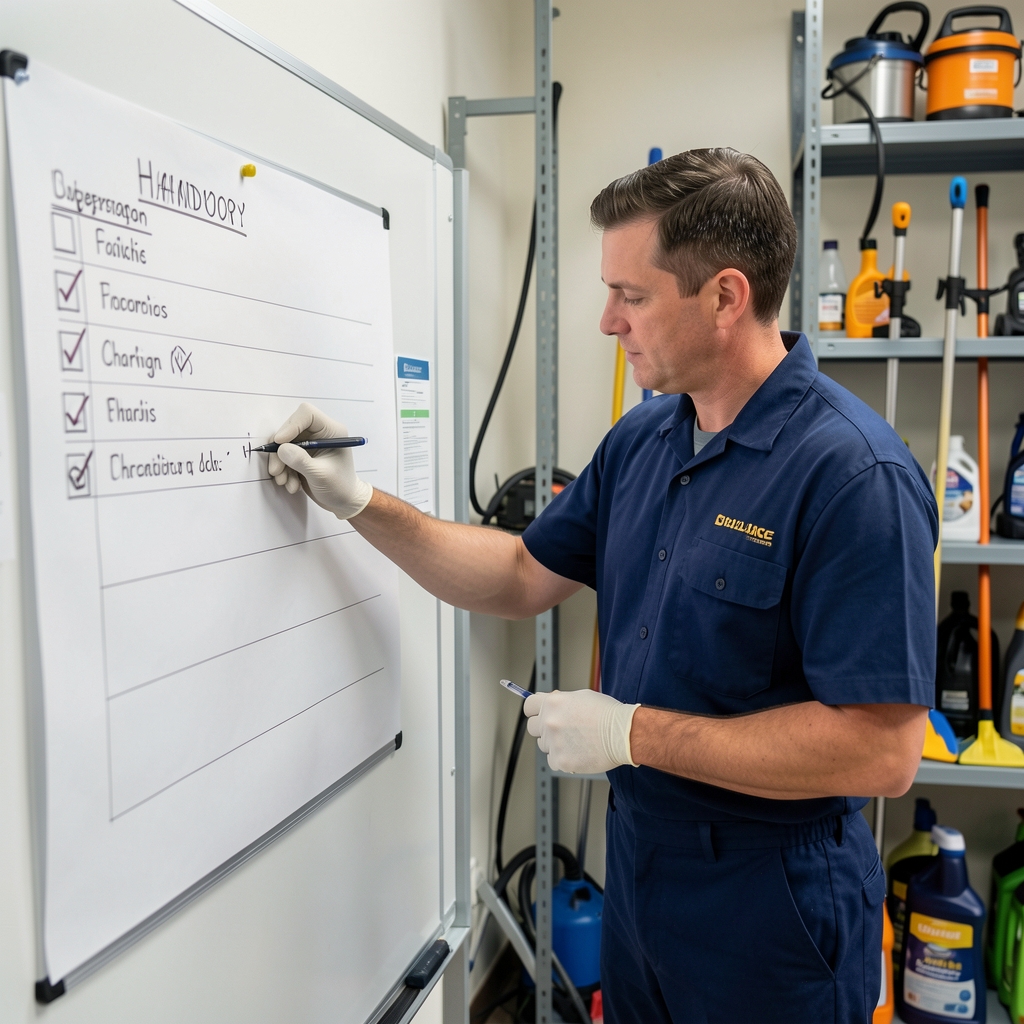
“The most useful machine is often the one that fits the room, the storage cupboard and the person who will carry it on a busy morning.”
Reading note: This page is general information. It does not recommend specific brands or models and is not a substitute for manufacturer guidance or the advice of a qualified specialist.
Readers can suggest subjects for future guides by writing to Danziger Straße 5, 10435 Berlin or calling +49 30 5892 7314.
Send a topic suggestion