Use less
Accurate dosing and suitable methods can reduce waste without compromising safe practice. Measured dilution, appropriate cloth choice and a clear plan for when a task is truly needed all contribute.
Look beyond labels to understand purchasing, dilution, packaging, water, energy, durability and the training needed to make a change stick.
Explore resources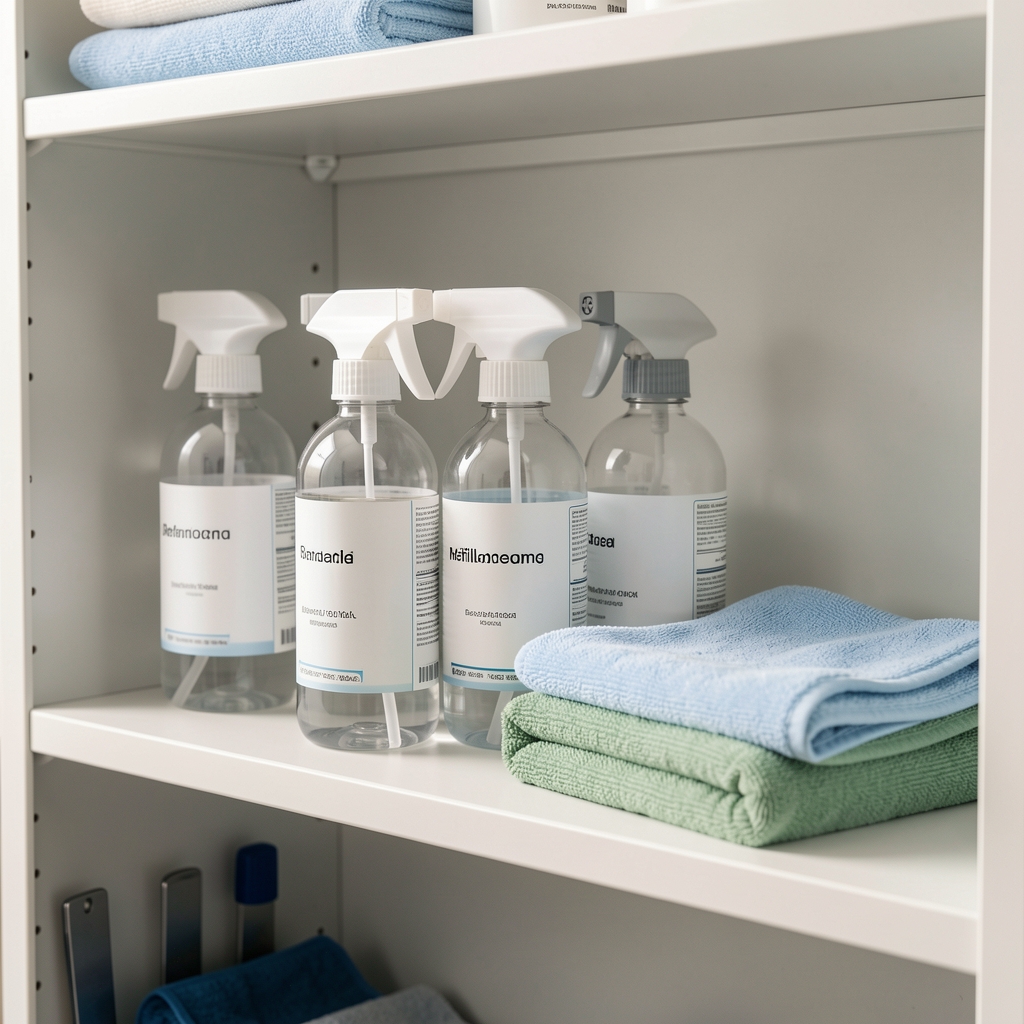
Discussions about greener cleaning often begin and end with a product label. In practice, the environmental profile of a cleaning routine also depends on how much product is used, how it is packaged, how long equipment lasts and whether the people doing the work understand the reasoning. The three themes below form a simple frame for those conversations.
Accurate dosing and suitable methods can reduce waste without compromising safe practice. Measured dilution, appropriate cloth choice and a clear plan for when a task is truly needed all contribute.
Consider durability, repair, packaging and transparent product information. Ask suppliers for safety data sheets and for plain-language descriptions of ingredients and recommended use.
People need time and context to change habits, especially across multiple shifts. A short demonstration at the dosing point is often more effective than a long document.
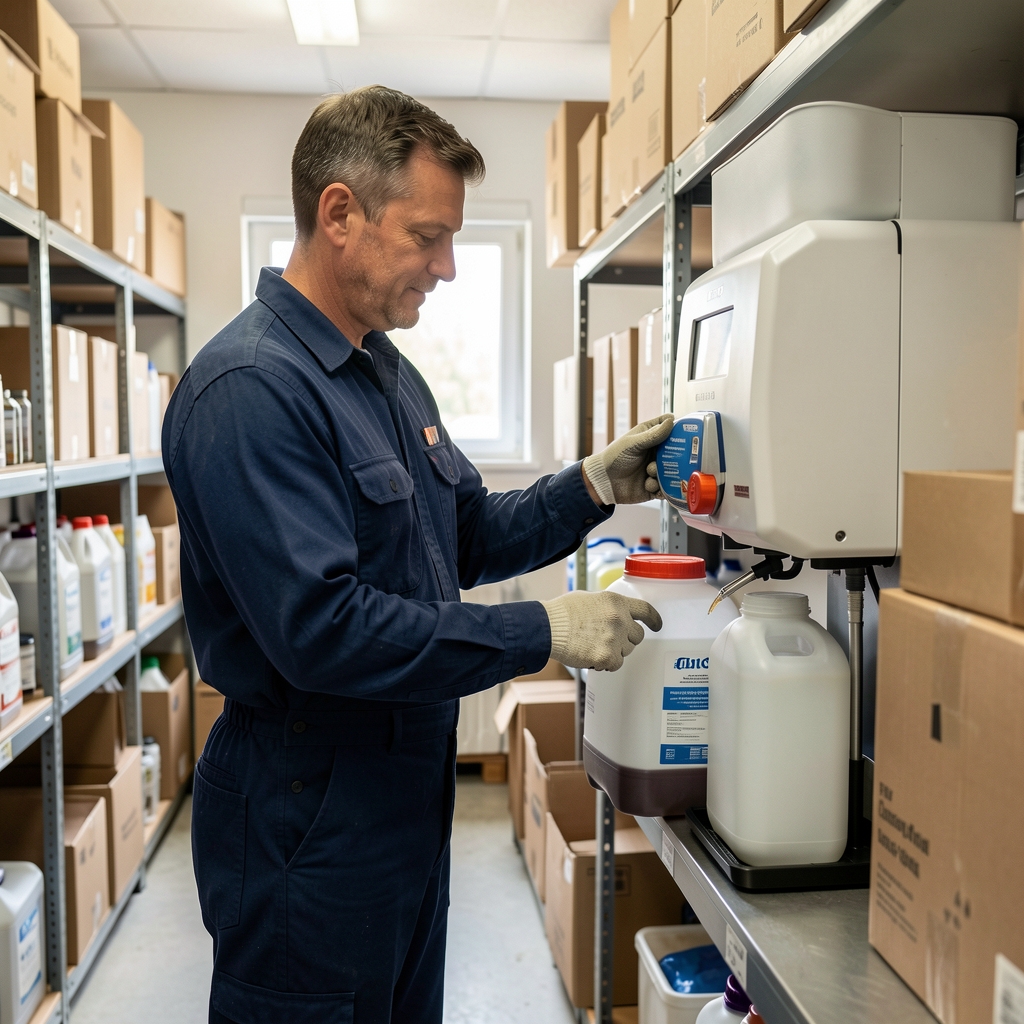
Track a small number of meaningful indicators: consumption, packaging, equipment life, water use or waste separation quality. Avoid claims that cannot be supported by the site’s records.
A modest measurement habit is usually more convincing than a broad statement. A team might note how many litres of concentrate are ordered each quarter, how many packaging units are returned for refill and how often cloths are replaced. Over several quarters those figures reveal patterns that can be discussed openly with staff and suppliers.
The numbers describe the structure of this guide and are not environmental results from any facility.
Facilities often consider the same handful of adjustments when they look at a more resource-aware routine. The table below sets out what each one involves, what to check before adopting it and what a team can reasonably record afterwards.
| Change | What it involves | Check before adopting | What to record |
|---|---|---|---|
| Concentrates with dosing | Diluting a measured amount at the point of use | Training, clear labels, suitable containers | Quantity ordered per quarter |
| Refillable containers | Returning or refilling bottles rather than buying single-use units | Storage space, supplier arrangements, hygiene of refilling | Packaging units avoided or returned |
| Reusable cloths | Laundering cloths on a regular cycle | Laundry access, colour coding, replacement plan | Cloth replacement frequency |
| Improved waste separation | Clearer bins and signage at collection points | Local waste rules, placement, language of signs | Quality of separation in periodic checks |
| Durable equipment | Selecting items that can be repaired and maintained | Spare parts, service access, manufacturer advice | Years of service and repair events |
None of these adjustments is suitable for every site. Surface type, occupant needs and any contractual or regulatory requirements in Germany will influence what is practical.
“A change that people cannot explain to a colleague is unlikely to last through the next staffing rota.”
“Labels are a starting point. The routine around the product usually decides how much is used.”
“Record what the site can verify and describe the rest as intention.”
Reading note: Environmental statements should be supported by records and, where relevant, by the criteria of a recognised scheme. Veridian does not endorse specific products and this page does not replace manufacturer instructions or specialist advice.
Starting small keeps the focus on understanding. Once one area runs smoothly, the same approach can be adapted for neighbouring spaces.
See how training supports change →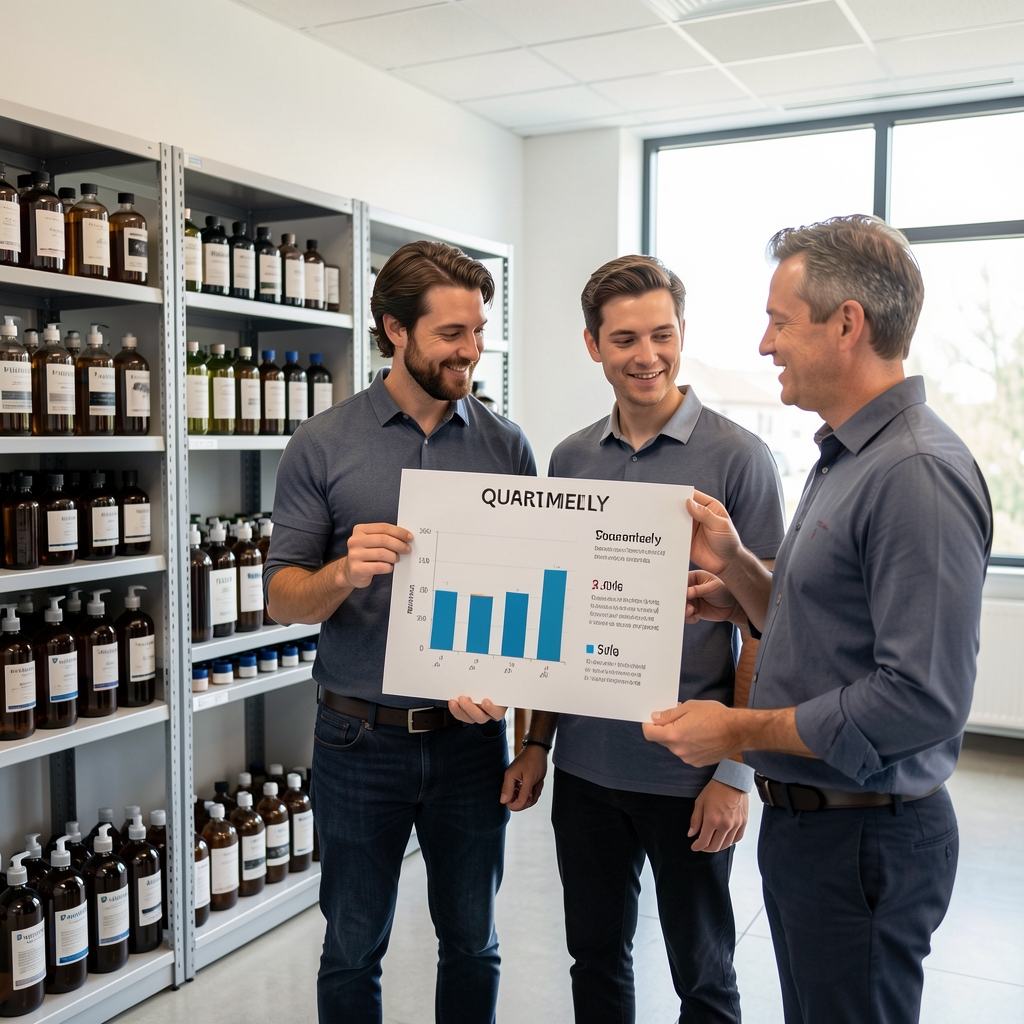
If your team has recorded a change and its effects, the editorial desk would be glad to hear about it. Write to Danziger Straße 5, 10435 Berlin or call +49 30 5892 7314.
Contact the editorial desk