Room walk-through
Prompts for noting use, surfaces, access, touchpoints and recurring friction. Suitable for a first visit to an unfamiliar area.
Format: two-page worksheet · Updated 14 September 2026
Use the prompts →Downloadable-style guides, checklists and discussion prompts for teams reviewing facility upkeep.
Request a topic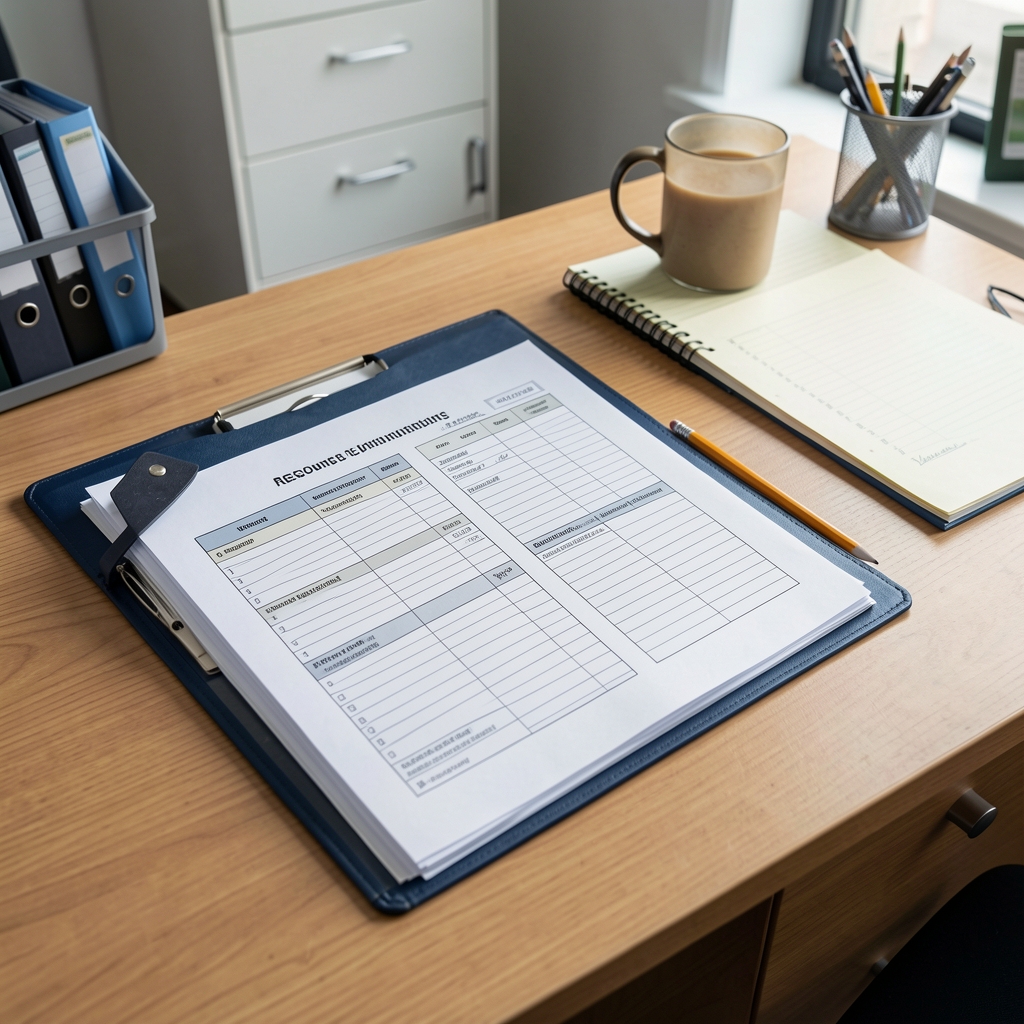
The materials below are written as printable reference sheets. Each one is short, uses plain language and can be copied into a team’s own template. They describe general practice and are meant to start a conversation, not to replace local instructions.
Prompts for noting use, surfaces, access, touchpoints and recurring friction. Suitable for a first visit to an unfamiliar area.
Format: two-page worksheet · Updated 14 September 2026
Use the prompts →A neutral sequence for recording an observation and agreeing a next step. Includes example wording for a respectful discussion.
Format: one-page guide · Updated 29 August 2026
Read the method →A compact structure for explaining, demonstrating and confirming a procedure, with space for notes on language and accessibility.
Format: one-page template · Updated 11 July 2026
Open training guide →Points to confirm when a new item enters use: instructions, storage, cleaning routine and a named contact for faults.
Format: checklist · Updated 2 June 2026
See the equipment guide →A short worksheet for recording products, quantities and packaging in one area before any change is considered.
Format: two-page worksheet · Updated 15 May 2026
Read the green cleaning guide →A template for listing rooms, tasks, intervals, exclusions and responsibilities in language that occupants can follow.
Format: one-page template · Updated 20 March 2026
Read about standards →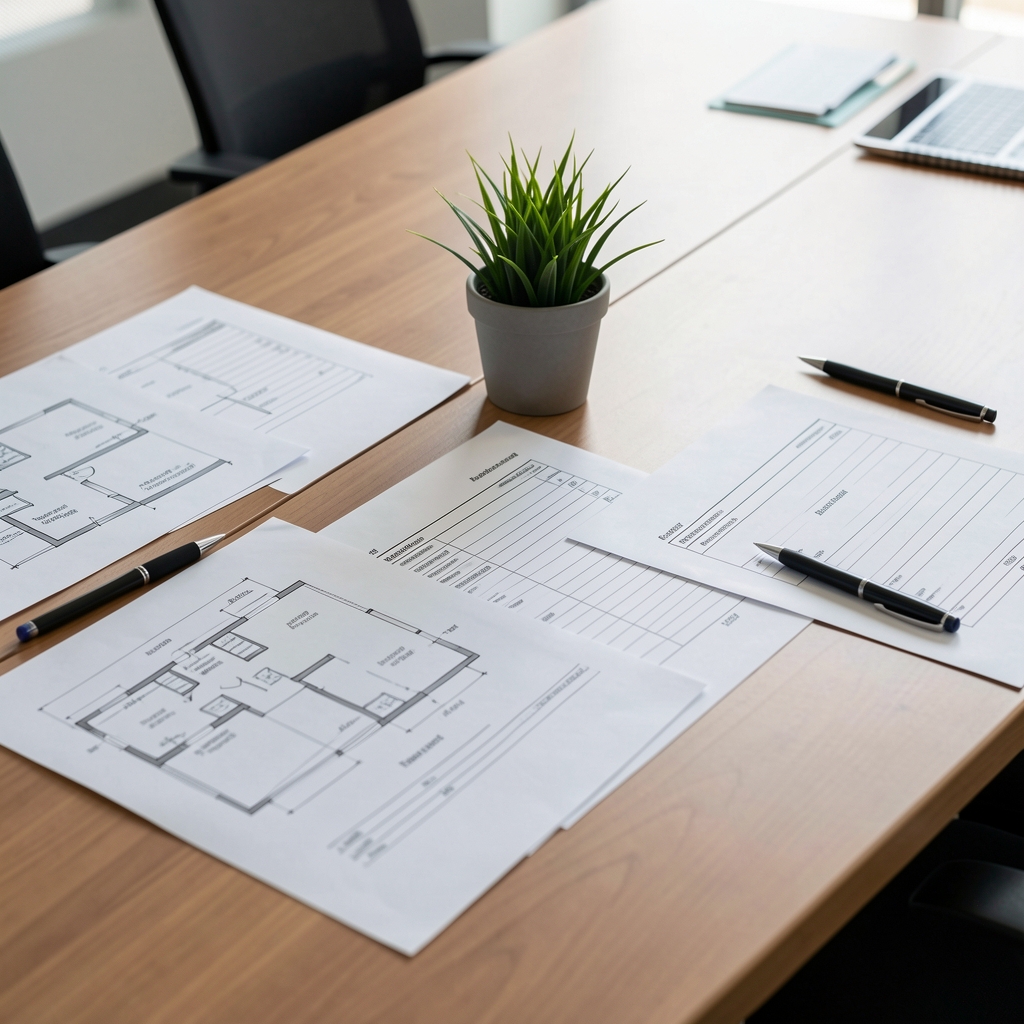
Templates are starting points. Add local contacts, room names, safety notes, language support and review dates before putting a document into use.
It is worth involving a few of the people who will use the sheet. A fifteen-minute trial in a single area frequently exposes unclear wording, missing fields or a layout that does not work on a clipboard. Small corrections at this stage save confusion later and give colleagues a sense of ownership over the final document.
Readers often arrive with a specific situation in mind. The table matches common starting points with the sheet that is most likely to help, and suggests a sensible next page on the portal.
| Starting point | Suggested resource | Typical audience | Next page |
|---|---|---|---|
| We are new to a building | Room walk-through | Supervisors, new operators | Planning |
| Feedback keeps repeating | Inspection conversation | Facility teams, tenants | Audits |
| A new colleague starts next week | Training brief | Team leaders | Training |
| We are replacing a machine | Equipment handover list | Purchasing, operations | Equipment |
| We want to review consumption | Greener routine review | Operations, sustainability leads | Green cleaning |
| Terms in a contract are unclear | Scope summary | Procurement, managers | Glossary |
Documents only become useful when they are used regularly. The sequence below suggests a gentle schedule for introducing one sheet into a team’s routine.
One person reads the sheet, edits the wording and prepares a trial copy with local room names.
Use the sheet during normal work in a single area. Note which fields are unclear or unnecessary.
Meet briefly with the people who used it. Collect suggestions and agree which changes to make.
Publish the revised version where staff can find it, with a version date and a named contact.
Readers may adapt the structure and prompts for internal use. Please keep the wording of any quoted passages accurate and do not present the sheets as official forms from an authority or standards body.
No. They describe general practice. Building-specific instructions, manufacturer guidance, occupational safety requirements and advice from qualified specialists always take precedence.
Use the contact form or call +49 30 5892 7314. Requests are read by the editorial desk, and suggestions that suit the portal’s scope are added to the planning list for future pages.
“A template is finished when the people who use it recognise their own rooms in it.”
Write to Danziger Straße 5, 10435 Berlin or call +49 30 5892 7314 to suggest a worksheet, checklist or discussion prompt.
Go to the contact page